If Google can’t crawl, render, index and understand your website, nothing else in SEO works properly — not your content, not your links. A technical SEO audit finds every issue that is quietly holding your rankings back and turns it into a clear, prioritised plan.
Most audits end with a long PDF full of warnings. Mine ends with a ranked list of what actually matters for your site, why it matters, and exactly how to fix it — and because I’m also a developer, I can fix it for you.
When you need an audit
- Traffic dropped suddenly or slowly declined over months
- Pages are “Discovered – currently not indexed” or “Crawled – currently not indexed” in Search Console
- You are planning a redesign, a migration or a platform change
- The site feels slow and fails Core Web Vitals
- You’re about to invest in content or links and want a solid foundation first
- You bought or inherited a website and don’t know its SEO health
What I check
Crawling and indexing
- Robots.txt, XML sitemaps and meta robots tags
- Search Console coverage — why pages are excluded and how to fix it
- Crawl depth, orphan pages and crawl-budget waste
- Redirect chains, loops and broken links (404s)
- Canonical tags and duplicate content
Site architecture and internal linking
- URL structure and hierarchy
- Internal link distribution to your most important pages
- Breadcrumbs, pagination and navigation
On-page technical elements
- Missing, duplicate or too-long titles and meta descriptions
- Heading structure (H1–H3)
- Thin and near-duplicate pages
- Image alt text, file sizes and formats
Speed and Core Web Vitals
- LCP, INP and CLS on mobile and desktop
- Render-blocking CSS and JavaScript, unused code
- Image optimisation, caching and CDN
- Hosting and server response time
Structured data
- Organization, LocalBusiness, Product, Article, FAQ and Breadcrumb schema
- Errors and warnings in Google’s Rich Results Test
Mobile, security and international
- Mobile usability and layout issues
- HTTPS, mixed content and security headers
- Hreflang for multi-language sites
Tools I use
Screaming Frog, Google Search Console, GA4, Ahrefs, SEMrush and PageSpeed Insights — plus a manual review, because tools don’t understand your business priorities.
What you receive
- A spreadsheet of every issue found, grouped by type and affected URLs
- A priority score for each issue: impact vs. effort
- Plain-English explanations of why each issue matters
- Step-by-step fix instructions for WordPress, WooCommerce or Shopify
- A walkthrough call or video to go through the findings together
Implementation
Many clients ask me to fix the issues as well. Because I build websites, I can handle redirects, schema, speed optimisation, template changes and indexing fixes directly on WordPress and WooCommerce — and verify the results in Search Console.
How it fits into growth
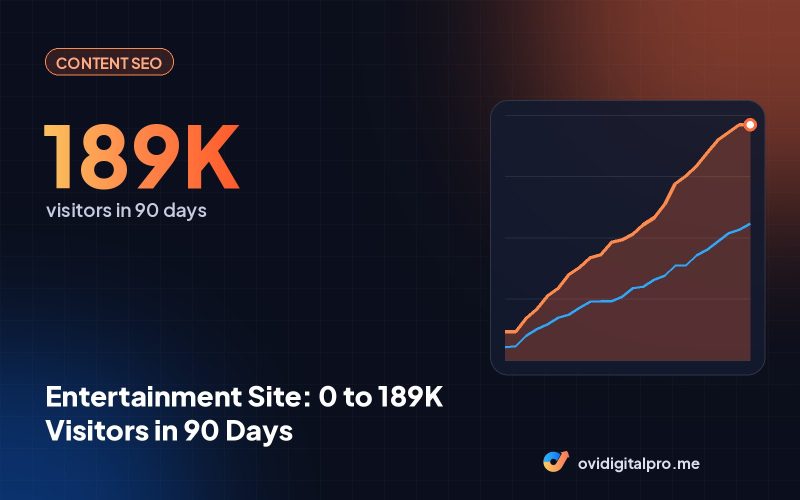
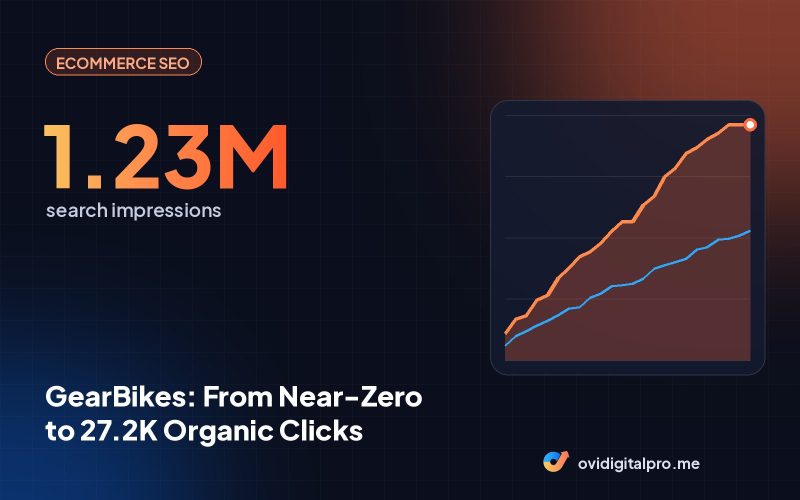
Every successful project in my portfolio started with technical clean-up. For a brand-new culinary institute, the first month was a full audit with SEMrush, Screaming Frog and Search Console — fixing crawl errors, sitemap issues and Core Web Vitals. A year later, the site ranks #1 for five high-intent keywords. For Alhamd Tech, fixing crawl and indexing issues was the foundation for 91,000 clicks in three months.
Timeline
A typical audit for a small to medium website takes 3–7 days. Large eCommerce sites may take longer depending on the number of URLs.
Want a quick health check first? Send me your URL and I’ll point out the top issues for free.
Frequently asked questions
How long does an audit take?
Usually 3–7 days for small and medium websites. Large stores with many URLs can take longer.
What access do you need?
Google Search Console and GA4 at minimum. WordPress access is helpful if you want me to implement fixes.
Will you fix the issues too?
Yes, if you want. I can implement fixes on WordPress and WooCommerce, or give your developer step-by-step instructions.
My traffic dropped suddenly — can an audit find out why?
Usually, yes. I check indexing changes, technical errors, algorithm update timing and lost links to find the most likely cause.