On-page SEO is everything Google reads on your page: titles, headings, content, internal links, images and structured data. Done well, it tells Google exactly what each page is about and makes searchers want to click. It is also the fastest way to grow traffic from pages that already sit on page two.
What I optimise
- Keyword mapping — one main keyword (and its close variations) per page, so pages don’t compete with each other.
- Titles and meta descriptions written for both rankings and click-through rate.
- Heading structure — one clear H1 and logical H2/H3 sections that match search intent.
- Content — expanding thin pages, answering the questions people ask, adding entities and examples Google expects to see.
- Internal links — pointing authority from strong pages to the pages you want to rank.
- Images — file names, alt text, compression and dimensions.
- Schema markup — FAQ, Service, Product, Article and LocalBusiness where relevant.
- E-E-A-T signals — author info, about pages, case studies and trust elements.
Quick wins first
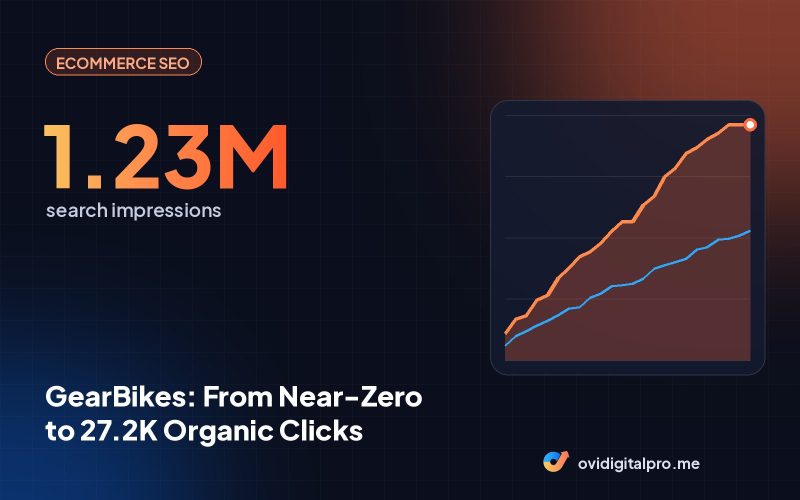
I start with your Google Search Console data and look for pages ranking in positions 5–20 with plenty of impressions. Small on-page improvements there often bring the fastest traffic gains — the same process that improved CTR and rankings for GearBikes and grew a home massage service’s clicks by 41% in 28 days.
How it works
- Audit: crawl and Search Console review of every important page.
- Plan: a keyword map and a prioritised list of page changes.
- Implementation: I make the changes directly in WordPress, WooCommerce or Shopify — or give your team exact instructions.
- Measure: before/after tracking of clicks, CTR and positions.
Tools and plugins
Google Search Console, Ahrefs, SEMrush, Screaming Frog, Rank Math and Yoast — whichever fits your site.
Not sure which pages to optimise first? Run the free SEO audit and tick “free manual audit” — I’ll point out your quickest wins.
Frequently asked questions
What is the difference between on-page and technical SEO?
On-page SEO is what visitors and Google read — titles, headings, content and links. Technical SEO is how the site works — crawling, indexing, speed and code. Most sites need both.
Can you work with my existing content?
Yes. I usually improve and expand what you have instead of starting from scratch.
Which SEO plugin do you use?
Rank Math or Yoast on WordPress — whichever you already use. Shopify and custom sites are supported too.
How fast are on-page results?
Pages already ranking on page two can improve within weeks after optimisation.